Content Hub UX Analytics & A/B Testing
Autismbehaviorservices.com's Social Stories were valuable but buried and slow on mobile. Session recordings showed what to fix, and statistically validated A/B tests showed what to keep.
Client
Autismbehaviorservices.com
Role
SEO & Analytics Consultant
Timeline
4 months
Deliverables
WordPress hub rebuild + Hotjar UX research + GA4 A/B testing + Looker Studio reporting
+172% traffic (4 months)
−38% bounce (4 months)
Page-1 for "social stories"
Autismbehaviorservices.com’s Social Stories — a genuinely valuable resource library for families and clinicians — were hard to find, slow to load on mobile, and had no real measurement in place. The team could see the content mattered, but had no evidence for which formats or topics were actually working, or whether the same stories were landing the same way with parents as with clinicians.
Watching real sessions before redesigning anything
Hotjar session recordings and heatmaps on the existing Social Stories pages showed visitors scrolling past the content they’d clearly come for because it was buried under unrelated navigation — a pattern no amount of GA4 pageview data alone would have surfaced, and the clearest single piece of evidence for consolidating into one hub.
Finding the visibility problem underneath the UX problem
Screaming Frog, SEMrush and Search Console showed which specific pages were losing visibility, informing the title, URL and schema fixes (FAQ, Video, WebPage) applied during the rebuild. Moz’s domain authority tracking against comparable autism-resource sites gave a baseline for whether the rebuild was closing the authority gap, not just moving rankings short-term.
Writing for two different readers on the same page
Families and clinicians come to the same Social Story wanting different things — plain, reassuring language for parents, clinical context for practitioners — so content across the hub was restructured to serve both without either group wading through the other’s version.
One hub instead of scattered pages
Consolidating videos, downloads and articles into a single WordPress/Elementor hub structure made both the user experience and the SEO signal (internal linking, topical clustering) far stronger than the previous scattered layout.
Testing with a result, not a guess
Title and CTA variants were run as proper A/B tests on GA4 event data (cleaned via SQL into Looker Studio), each evaluated to at least 90% statistical confidence before a winner was called — enough tests came back with no significant difference that “no change” was sometimes the honest, correct result, not every test a win worth reporting.
Results (4 months)
- Reached Page 1 on Google for “social stories”
- Organic traffic grew from roughly 4.8k to 13k+
- Lower bounce rate and higher CTA click-through on the statistically significant winners
- Hotjar-informed layout fixes directly reduced the scroll-past rate on the hub’s most-visited stories
Reflections
The session recordings did more work than the A/B tests themselves — they narrowed down what was worth testing in the first place, instead of running tests on hunches. Reporting the tests that found nothing significant alongside the ones that won was what made the dashboard credible to the team, rather than just a highlight reel.
Findable and fast, or the content doesn't matter
Social Stories resources were valuable but buried and slow on mobile, so information architecture and speed came before any SEO or testing work.
Accessibility isn't separate from SEO here
For a resource library serving families and clinicians, mobile-first, accessible design and search visibility were treated as the same problem, not two separate workstreams.
Let the data pick the winning format, not opinion
A/B testing titles and CTAs, backed by GA4 events, meant the top-performing story formats were identified by evidence rather than internal preference.
Rebuilding the hub structure
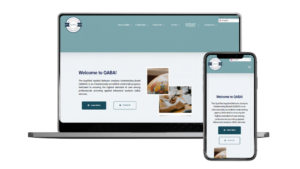
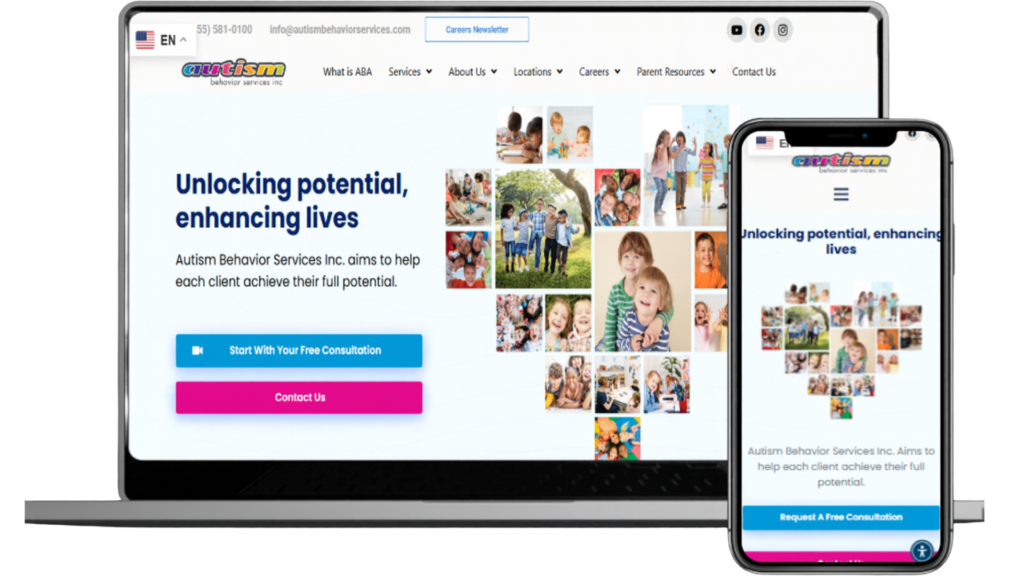
Social Stories, previously scattered across the site, were restructured into a dedicated WordPress/Elementor hub combining videos, downloads and articles under one clear, mobile-first structure.
Fixing speed and accessibility
Lazy loading and lighter-weight assets addressed the slow mobile load times that were previously pushing visitors away before they ever reached the content.
Running the SEO audit and fixing titles/URLs
Screaming Frog, SEMrush and Search Console surfaced the specific pages losing visibility, which were then optimised on titles, URLs and schema (FAQ, Video, WebPage) to match how families were actually searching.
Instrumenting GA4 through GTM
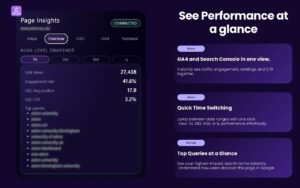
Scroll depth, downloads and outbound clicks were tracked as GA4 events via GTM, replacing what had previously been no meaningful measurement at all.
Testing titles and CTAs against real data
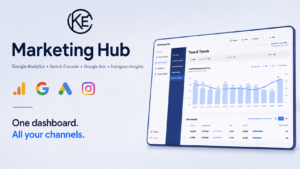
SQL-cleaned GA4 data was pushed into Looker Studio, and title/CTA variants were A/B tested against it to identify which Social Stories formats actually drove engagement.
Interested in a similar engagement? Get in touch — I'm available for new SEO and analytics projects.